How Do You Know When It’s Time to Refinish Your Concrete Floors in Bozeman, MT?
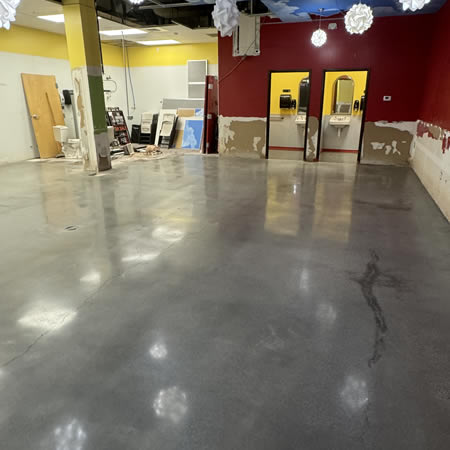
Concrete floors are tough, but Bozeman weather and daily traffic can wear them down. If your slab looks dull, dusty, or damaged, it may be time to schedule professional refinishing with polished concrete. Start by comparing what you see at home to the signs below, then consider a pro refresh that restores strength, shine, and safety. If you want a quick overview of what a pro polish includes, scan this short guide and see how our professional concrete polishing service brings floors back to life.
Clear Signs Your Concrete Floor Needs Refinishing
Most floors give you clues long before they fail. If one or more of these are showing up around your home or shop, it’s smart to act soon.
- Gray, chalky “dusting” that returns right after you sweep or mop. Persistent dusting means the surface is weakening and needs densification and polishing.
- Traffic lanes that look matte while the rest of the floor still has some sheen.
- Small pits near doors or garage entries from winter sand and deicer tracked in from Bridger Canyon, Four Corners, or Downtown lots.
- Light scratches or swirl marks that make the floor look cloudy under sunlight.
- Stains that will not lift and seem to spread around sinks, mudrooms, or utility areas.
- Hairline cracks that collect dirt and get more noticeable month after month.
- Slippery spots where old sealers or coatings are patchy and uneven.
Why Refinishing Beats Replacement In Most Bozeman Homes
Refinishing preserves your existing slab and avoids the disruption of a tear-out. That matters in neighborhoods like Baxter Meadows or Valley West where parking and timelines can be tight.
- Less mess and downtime compared to demo and re-pour.
- Restores a smooth, light-reflective surface that brightens basements and shops.
- Improves durability for freeze-thaw seasons without adding a coating that can peel.
- Customizes the look with different sheen levels and aggregate exposure.
With polished concrete, your refinished floor is mechanically tightened and chemically hardened so it stands up to sand, salt, and heavy foot traffic through long Montana winters.
How Concrete Floor Refinishing Works With Polished Concrete
Think of refinishing as a reset for your slab. A trained crew inspects the floor, addresses surface issues, then uses industrial grinders with progressively finer diamonds to remove light damage and open the surface for treatment. During the process, a densifier soaks in and hardens the top layer. The crew then hones and polishes to the sheen you choose, followed by a penetrating guard to help resist spills.
This is not a coating that sits on top. It’s a permanent improvement inside the concrete itself, which is why polished concrete is popular in garages, basements, retail spaces, and studios across Bozeman and Belgrade.
Local Conditions In Bozeman That Accelerate Wear
Our climate is hard on floors. Freeze-thaw swing, tracked-in abrasives, and big shifts from dry summers to snowy winters all speed up surface wear. Garages in Gallatin Gateway collect tire grit and road chemicals. Daylight pouring in from large south-facing windows can also reveal micro-scratches and dull lanes.
Basements and garden-level spaces along South 19th or near MSU sometimes deal with moisture migration. While polished concrete holds up well, the surface still needs proper prep, densification, and a good maintenance routine to keep its clarity.
Choosing The Right Finish Level For Your Space
Polished concrete is not one look. You can pick the sheen and exposure that match your goals.
Common choices:
- Low-sheen matte for busy garages and workshops where glare control matters.
- Satin for basements, mudrooms, and laundry spaces that need easy cleaning.
- High-gloss for showrooms or open living areas where you want maximum light bounce.
You can also decide how much aggregate you want to see. A cream finish shows subtle movement, while a salt-and-pepper or small-rock exposure gives a modern, textured look. Your technician will walk you through slip resistance, cleaning, and maintenance for each option.
When Repairs Or Resurfacing Should Come First
Refinishing restores the surface, but some floors need a few fixes before polishing. Tight hairline cracks can often be filled and blended. Wider or moving cracks, low spots, old adhesives, or moisture problems call for extra steps. Never ignore cracks that are widening or collecting moisture. Address them early so your refinished floor lasts.
If you see flaking near exterior doors or areas exposed to winter melt, talk to your pro about sealing after polishing to help block water and deicer intrusion. For more details on protecting concrete from the elements, this quick read on the benefits of professional concrete sealing explains why sealing is a smart add-on in our climate. You can also review our service page for concrete sealing to see how it supports long-term durability.
Maintenance Habits That Extend The Life Of Your Finish
Simple routines make a big difference:
Key tip: Use a pH-neutral cleaner and a microfiber dust mop. Grit is the enemy of shine. Place mats at entries, especially during snow season. Felt pads under furniture help prevent micro-scratches. Spot-clean spills quickly, and avoid harsh chemicals that leave residues. With these habits, most residential floors hold their polish for years before a light touch-up is needed.
When it’s time for a refresh, a maintenance polish is quicker than the first full refinishing. That’s because the slab has already been hardened and smoothed. Your technician will recommend a schedule based on traffic and use.
What To Watch For In Garages, Basements, And Shops
Garages around Four Corners collect tire grit and road chemicals. Put down a mat for vehicles during peak snow months and sweep weekly. Basements in older homes near Downtown sometimes have small moisture swings. A moisture check during your estimate helps set the right plan before polishing. For hobby shops, consider a mid-sheen finish that hides scuffs and keeps cleanup fast.
In retail or studio spaces, bright lighting can highlight wear paths. A satin or high-gloss polish paired with a routine dust mop keeps the floor looking sharp for clients and guests.
How To Decide: Refinish Now Or Wait?
You do not need to wait until damage is severe. If dusting returns a day after cleaning, if traffic lanes are obvious, or if stains distract from the room, refinishing now prevents bigger problems later. Putting off refinishing can allow micro-damage to snowball into deeper repairs. Acting early usually means less grinding and faster turnaround.
If you are still comparing options, browse a few local examples and talk through sheen and exposure levels with a pro. Many Bozeman homeowners start their research for concrete floor refinishing in Bozeman, MT by reviewing project photos, then schedule an on-site evaluation to confirm the best approach for their space.
Why Choose A Polished Concrete Specialist
Polished concrete is a specialized craft. You want a team that understands surface prep, diamond tooling, densifiers, and guard applications that suit Montana’s climate. That experience shows up in the clarity of the finish and the way your floor holds up through winter. A reputable crew will measure moisture, repair small issues before they grow, and stand behind their work.
At Advanced Concrete Polishing, our focus is floor restoration and polished concrete. From garages in Bridger Canyon to basements near Kagy, we help homeowners choose a finish that looks great and fits their lifestyle.
Ready To Bring Back The Beauty Of Your Concrete Floors?
If your slab is dull, dusty, or showing traffic lanes, a professional polish can change the way your space feels. See what’s possible on our page for polished concrete refinishing, then schedule a friendly, no-pressure walk-through. You can also call us at 406-694-9460 to talk with a specialist about timing around Bozeman’s seasons.
When you are ready, book your concrete refinishing with Advanced Concrete Polishing and enjoy a brighter, stronger floor that’s built for Montana living.